
Infrastructure Strategy for Smart Cities
As urban populations continue to grow across the world, cities are facing increasing pressure on transportation systems, energy supply, housing, security, healthcare, sanitation, and public services.
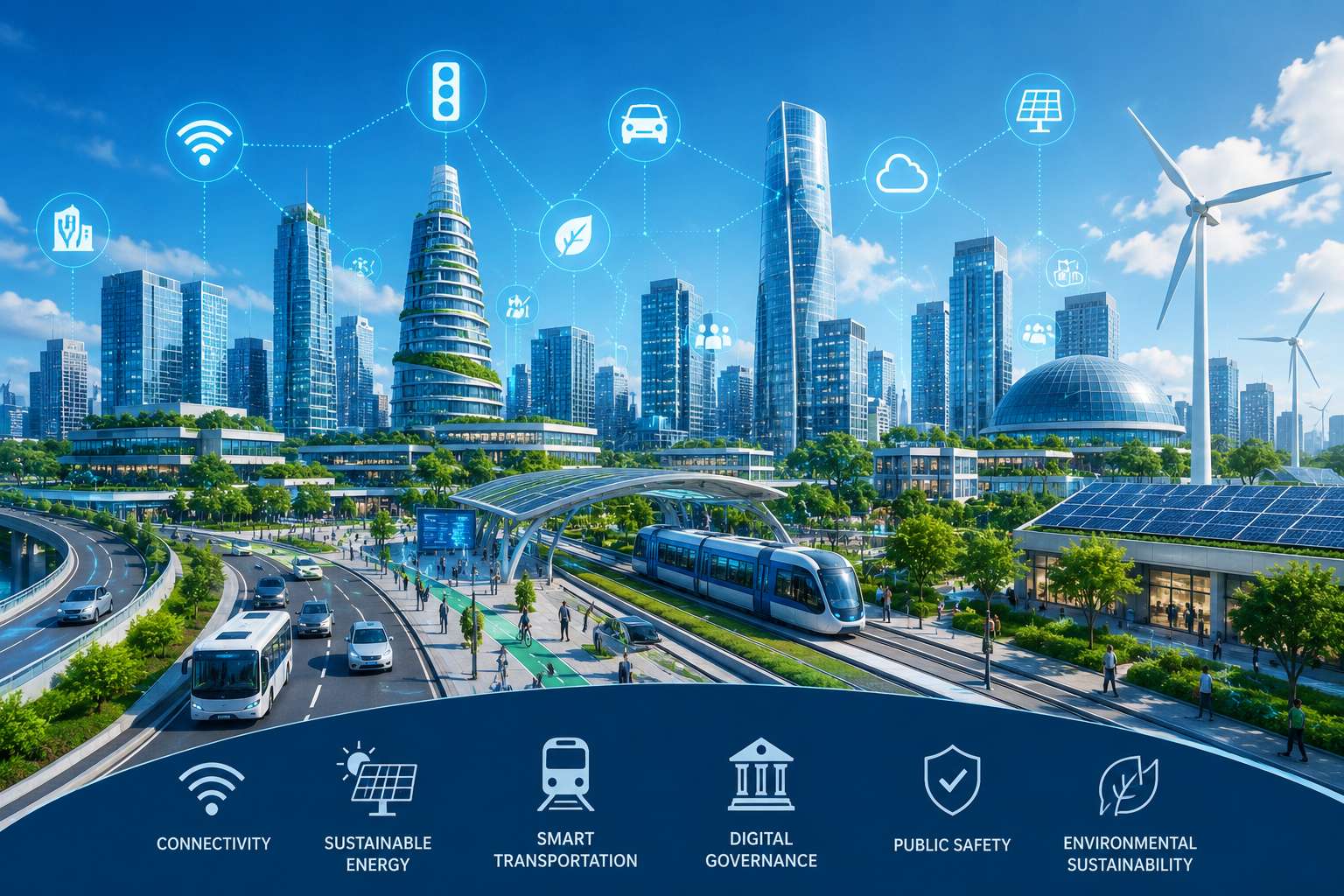
As urban populations continue to grow across the world, cities are facing increasing pressure on transportation systems, energy supply, housing, security, healthcare, sanitation, and public services. Traditional infrastructure models are no longer sufficient to meet the demands of rapidly expanding urban environments. This is why smart cities have become a major focus for governments, urban planners, and technology leaders seeking sustainable and efficient solutions for the future.
A smart city is built on the integration of technology, data systems, digital infrastructure, and intelligent governance to improve the quality of life for citizens while promoting economic growth and environmental sustainability. However, achieving this vision requires a clear and strategic infrastructure plan capable of supporting innovation, connectivity, and long-term urban development.
One of the most important components of a smart city infrastructure strategy is digital connectivity. High-speed internet access, broadband expansion, and reliable telecommunications systems form the backbone of any smart city ecosystem. Without strong digital connectivity, technologies such as smart transportation, digital governance platforms, intelligent security systems, and online public services cannot function effectively. Governments and private sector stakeholders must therefore prioritize nationwide internet penetration and affordable digital access for citizens.
Another critical element is smart transportation infrastructure. Traffic congestion, poor road networks, and inefficient transportation systems continue to affect productivity and economic activities in many urban areas. Smart transportation strategies involve the use of intelligent traffic management systems, digital road monitoring, automated transport scheduling, and data-driven urban mobility planning. By leveraging technology, cities can reduce congestion, improve safety, and enhance transportation efficiency for millions of residents.
Energy infrastructure is equally essential in the development of smart cities. Sustainable and uninterrupted power supply is necessary for digital systems, businesses, homes, healthcare facilities, and educational institutions. Smart grids, renewable energy integration, solar technology, and intelligent energy management systems can help cities optimize energy consumption while reducing environmental impact. Future cities must adopt cleaner and more efficient energy solutions that support long-term sustainability goals.
Smart governance also plays a major role in infrastructure strategy. Technology-driven governance systems can improve transparency, accountability, and service delivery. Digital identity systems, online government platforms, e-governance portals, and civic technology applications allow citizens to access services more efficiently while strengthening communication between governments and communities. A successful smart city requires institutions that embrace innovation and use data to make informed decisions.
Security infrastructure is another vital aspect of smart city planning. Urban centers require intelligent surveillance systems, emergency response networks, cybersecurity frameworks, and integrated public safety technologies that can improve crime prevention and disaster management. Modern security infrastructure should combine technology with coordinated response mechanisms to protect lives, businesses, and public assets.
Environmental sustainability must also remain at the center of smart city development. Waste management systems, smart water distribution networks, green infrastructure, and environmentally friendly urban planning are critical to creating healthier and more sustainable cities. Technology can help monitor pollution levels, optimize waste collection, and improve resource management in ways that benefit both citizens and the environment.
Education and innovation hubs are equally important within a smart city strategy. Cities that invest in digital education, research centers, technology incubation programs, and innovation ecosystems create opportunities for entrepreneurship and economic growth. Young people must be equipped with digital skills and innovation capabilities that prepare them for the future workforce and global digital economy.
Collaboration between government agencies, technology companies, urban planners, investors, and local communities is necessary for successful implementation. Smart city development cannot succeed through isolated efforts. It requires partnerships, policy support, infrastructure investment, and long-term planning that align with national development goals.
As nations continue to embrace digital transformation, smart cities will become central to economic growth, innovation, and sustainable urban living. Countries that invest strategically in intelligent infrastructure today will be better prepared for the challenges and opportunities of tomorrow.
Infrastructure strategy for smart cities is not simply about building modern roads or installing digital devices. It is about creating connected, inclusive, efficient, and future-ready communities where technology improves the lives of citizens and drives national development. The future of urban development depends on smart infrastructure, and the time to build that future is now.
Citizen Engagement & Feedback
Join the national technological dialogue. Submit feedback or recommendations on this publication.
Spotlight Feedback (3)
Outstanding technological performance review. We need our local governments in Lagos to integrate these blueprints immediately.
This is highly strategic. Demystifying tech policies will empower local groups and build massive digital awareness.
Fascinating insights. Alimosho youth are ready to deploy these internet hubs to boost local digital literacy.
Author & Publisher

Dr. Chioma Nnaji (National Steering)
Super Admin Smart Nation Council RepresentativeTasked with reviewing digital infrastructures and organizing sensitization webinars for local coordinators in all geopolitical zones.
Other Publications


Become an Ambassador for your community
Drive technological sensitization, network with civic advocates, and build smart structures.
Start Onboarding →